For years, I built my personal brand by doing what I do best—creating CGI work consistently. But there was a major gap in my process: I wasn’t sharing that work nearly as often as I should. The irony? In an industry where visibility is key, my own hesitation to share held me back.
“Do great work and let the world know,”
This is a note to myself as much as it is advice to others. I do live by the motto but somehow, it’s quite difficult to live and breathe it. Partially, project NDAs draw the excitement away from sharing the process. But really, it’s more meaningful to see what can be done within my control to keep that excitement.
Like making the BTS during the process itself and scheduling it for release after clearing with the client. Things like that. More importantly, I had to find a way to share my work sustainably—without burning out. Here’s how I worked through that struggle and built a habit of sharing my work consistently while keeping it sustainable.
The Power of Showing Your Process
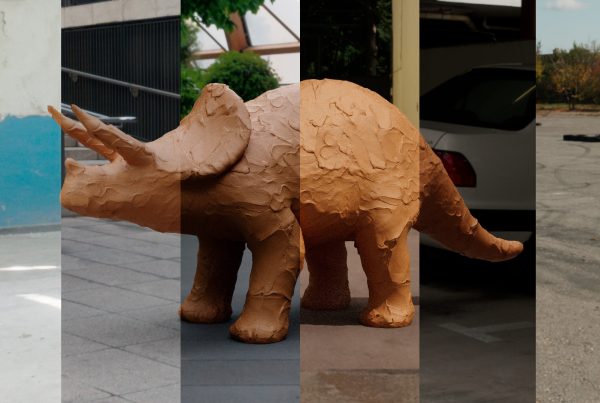
Like many artists, I used to think my work wasn’t ready to be shared until it was polished to perfection. But the reality is that people connect more with the journey than just the final result. When I started posting behind-the-scenes snippets—wireframe breakdowns, shader tests, and workflow insights—I noticed more engagement than my best final renders ever got.
Audiences love seeing how something comes together.
Whether it’s a failed experiment or a mid-progress tweak, showing the process makes your work more relatable and valuable. I shifted my mindset from “only share finished work” to “document the journey.” This also helped me keep up with sharing without the pressure of always having ‘final’ pieces to post.
Choosing the Right Platforms for Sustainable Engagement
At first, I struggled with where to share. Posting everywhere felt overwhelming, but I soon realized I didn’t have to be everywhere at once. Instead, I focused on platforms that played to my strengths and felt sustainable to maintain:
- Instagram – Works for me because it’s a super visual platform. But it’s difficult to build a long-form community type of audience where you get to “spend time together” creating and responding to long-form tutorials.
- YouTube – Great for long-form content where I can build a deeper connection with my audience through in-depth tutorials and workflow breakdowns.
- ArtStation – Portfolio-quality work for industry credibility, though it feels more like a portfolio-portfolio site where we are not expected to have too much interaction.
- LinkedIn – I’m still dabbling, but it’s a good space for thoughtful posts on the business of CGI, industry insights, and project retrospectives.
- Twitter/X/Threads – Where I’ve decided I’ll share creative entrepreneurial tips.
These two—Instagram and YouTube—are great for me and my introverted self to connect with my audience, but you have to find what social platforms work for you and what you can sustain without exhaustion.
By treating each platform as a different way to share my work, rather than duplicating posts everywhere, I found a system that felt natural instead of forced.
The 80/20 Rule: Balancing Creation and Sharing to Prevent Burnout
One of my biggest struggles was finding time to share work without feeling like it was taking away from making work. The solution? The 80/20 rule.
I started dedicating 80% of my time to creating, while ensuring 20% was set aside for sharing. That meant:
- Batching content – Instead of posting daily, I set aside a couple of hours weekly to prep posts in advance.
- Repurposing content – A YouTube tutorial could become a LinkedIn post, an Instagram reel, and an ArtStation breakdown.
- Using templates – I built simple formats for Instagram carousels and LinkedIn posts so I could plug in new work quickly.
By setting boundaries on how much time I spent on social media, I kept sharing sustainable rather than overwhelming. This approach helped me stay visible without constantly feeling drained.
Why Educating Beats Just Showing Off
Another shift that helped me stay consistent was focusing on education instead of self-promotion. Instead of just posting renders and saying, “Here’s what I made,” I started sharing lessons from my process:
- What went wrong in a shader setup (and how I fixed it)
- Why I chose a specific lighting approach
- Tips for optimizing heavy simulations
By making my posts useful, I found it easier to justify sharing more often. It wasn’t about seeking validation—it was about providing value. And, importantly, it helped me stay engaged with my audience in a way that felt rewarding rather than exhausting.
Final Thoughts: Sustainable Sharing, Not Just More Sharing
Overcoming the struggle to share work consistently wasn’t about forcing myself to post more—it was about finding a system that made sharing a natural extension of my creative process, while also avoiding burnout.
By embracing the journey, choosing the right platforms, balancing creation and sharing, and focusing on education, I built a habit that helped me grow my brand without feeling like I was constantly selling myself.
If you’re in the same boat, start small. Document your process, share something useful, and build momentum. But more importantly, do it in a way that keeps you creating and sharing for the long haul. Your future self (and audience) will thank you.